
From Abandonment to Healing: The Science Behind Rescue and Adoption


For companion animals, abandonment is far more than losing a home. It is the sudden loss of safety, attachment, routine, and survival itself. Scientific research shows that abandonment and surrender can trigger measurable emotional and physiological stress responses in dogs and cats, often with long-lasting consequences. At the same time, studies also show that rescue organizations, foster care, and stable adoption can dramatically improve recovery and quality of life for these animals.
Organizations like P.A.W.S. Hancock work directly with abandoned, neglected, and homeless animals to provide medical care, behavioral rehabilitation, foster placement, and permanent adoption opportunities. Modern rescue work is not simply about housing animals until adoption. It is increasingly rooted in animal welfare science and trauma-informed care.
Animals Experience Attachment and Loss
Animals form strong social bonds with humans. Dogs, in particular, have evolved alongside people for thousands of years and often rely on their caregivers for security, stability, and

emotional regulation. When those relationships are suddenly broken through abandonment or surrender, animals frequently experience fear, confusion, anxiety, and distress.
Researchers studying shelter dogs have documented behavioral signs of stress that include pacing, trembling, vocalization, withdrawal, hypervigilance, appetite changes, and sleep disruption. Cats experience similar effects. One study comparing owner-surrendered cats with stray cats found that surrendered cats displayed higher stress levels shortly after entering shelters and became ill more quickly, suggesting that emotional stress may compromise immune function.
Abandonment Causes Physical Stress Responses
The effects of abandonment are not only emotional. They are biological.
Scientists often measure stress in animals through cortisol, a hormone associated with the body’s stress response. Research involving shelter animals has repeatedly found elevated cortisol levels and other physiological stress indicators following relinquishment and placement into unfamiliar environments.

weakened immune function,
gastrointestinal problems,
respiratory illness,
sleep disturbances,
weight loss,
heightened fear responses, and
long-term anxiety disorders.
Prolonged stress can worsen in crowded or unstable shelter settings, particularly when animals struggle with noise, confinement, or social isolation.
Why Foster-Based Rescue Matters
This is where rescue organizations like P.A.W.S. play a critical role.
Unlike traditional shelters that rely heavily on kennel housing, P.A.W.S. primarily uses foster homes, where animals live with volunteer caregivers in stable household environments before adoption. Foster care helps reduce many of the stressors associated with institutional sheltering by providing:

predictable daily routines,
one-on-one human interaction,
quieter living environments,
opportunities for social bonding,
behavioral observation, and
individualized rehabilitation.
From a scientific perspective, predictability and stable caregiving are extremely important for animals recovering from abandonment. Research shows that consistent social interaction and environmental stability help reduce stress hormones and improve adaptive behaviors in rescued animals.
Foster environments also allow caregivers to identify behavioral needs, medical concerns, and personality traits that may not appear in high-stress shelter settings.
Medical Care and Behavioral Rehabilitation
Many abandoned animals arrive in rescue care with untreated medical conditions, injuries, parasites, malnutrition, or behavioral trauma.
Organizations like P.A.W.S. provide services such as:

vaccinations,
spay/neuter care,
heartworm treatment,
corrective surgeries,
nutritional rehabilitation,
behavioral support, and
socialization training.
In fact, many animals entering P.A.W.S. require special veterinary care, nurturing or training before they can be adopted into new forever homes.
Research in animal welfare science supports these interventions. Positive reinforcement training, enrichment, and early behavioral support significantly improve adoption outcomes and reduce the likelihood that animals will be relinquished again in the future.
The Human-Animal Bond Can Recover
One of the most encouraging findings in animal welfare research is that many abandoned animals are remarkably resilient when provided with safety, consistency, and compassionate care.
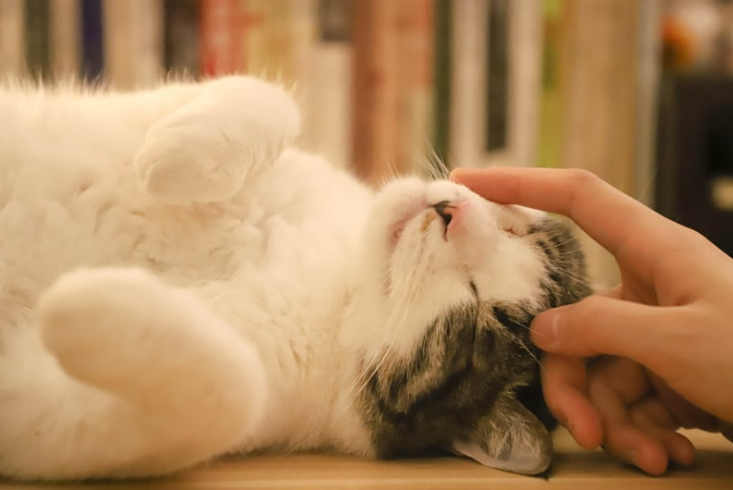
Studies examining adopted shelter animals show that many experience:
reduced stress behaviors,
improved appetite and sleep,
normalization of cortisol patterns,
increased social bonding,
decreased fear responses, and
overall improvements in physical and emotional health.
Researchers have also found that adopted animals frequently form secure attachments to new caregivers, even after experiencing prior neglect or abandonment. In many cases, the new bond itself becomes part of the healing process.
Dogs adopted into patient, stable homes often demonstrate major behavioral improvement within weeks or months, particularly when adopters provide routine, enrichment, and positive reinforcement training.
Adoption Does Not Instantly Erase Trauma
Although adoption significantly improves outcomes, some animals continue to carry lingering effects of abandonment.
Long-term behavioral challenges may include:

separation anxiety,
hypervigilance,
fear of unfamiliar people,
resource guarding,
noise sensitivity,
difficulty with transitions, or
distrust caused by previous neglect.
This is why responsible rescue organizations carefully screen adopters and educate families about decompression periods, behavioral adjustment, and trauma-informed care.
P.A.W.S. uses structured adoption procedures designed to help match animals with appropriate homes and improve long-term success.
Prevention Matters Too
Modern rescue organizations increasingly recognize that preventing abandonment is just as important as responding to it afterward.

Programs such as:
low-cost veterinary services,
spay/neuter initiatives,
pet food pantries,
foster support,
humane education, and
microchip programs
help reduce the risk factors most commonly associated with pet relinquishment.
P.A.W.S. operates community programs focused on low-cost spay/neuter services, pet food assistance, adoption outreach, and the installation of microchip scanner stations designed to help reunite lost pets with their families.
Research consistently shows that housing instability, financial hardship, lack of veterinary access, and untreated behavioral issues are among the leading contributors to animal surrender. Community support programs directly address many of these underlying causes.
Rescue Changes the Outcome
Without intervention, abandoned animals face significantly increased risks of disease, injury, starvation, predation, and euthanasia. Rescue organizations help interrupt that cycle by replacing instability with safety, medical care, and attachment.

The science is clear: animals recover best when they receive:
consistent caregiving,
social connection,
enrichment,
behavioral support,
medical treatment, and
stable adoptive homes.
Organizations like P.A.W.S. provide those protective factors every day. Through foster care, rehabilitation, adoption services, and community outreach, rescues help abandoned animals recover physically, emotionally, and socially.
References
Clay, L., Paterson, M., Bennett, P., Perry, G., & Phillips, C. (2019). Early Recognition of Behaviour Problems in Shelter Dogs by Monitoring them in their Kennels after Admission to a Shelter. Animals.
Kisley, M. A., Chung, E. J., & Levitt, H. (2024). Investigating the reasons behind companion animal relinquishment: A systematic content analysis of shelter records for cats and dogs, 2018–2023. Animals.
Rooney, N. J., Gaines, S. A., & Bradshaw, J. W. S. (2014). The effect of conspecific removal on the behaviour and physiology of pair-housed shelter dogs. Applied Animal Behaviour Science.
Salman, M. D., et al. (2000). Behavioral Reasons for Relinquishment of Dogs and Cats to 12 Shelters. Journal of Applied Animal Welfare Science.
Stephen, J. M., & Ledger, R. A. (2007). Behavioral differences between owner surrender and stray domestic cats after entering an animal shelter. Applied Animal Behaviour Science.
van der Laan, J. E., Vinke, C. M., & Arndt, S. S. (2023). Nocturnal activity as a useful indicator of adaptability of dogs in an animal shelter and after subsequent adoption. Scientific Reports.


The link between abandonment stress and the healing power of foster care really stands out—stable routines can make such a difference for rescued pets. I’ve been using https://meshiai.pro/terms
The point about abandonment disrupting safety, attachment, and routine really stood out—stable foster care can make such a difference. I’ve been using rescue support resources like https://yodayo.pro
GO99 khiến mình để ý đến vị trí của phần giao dịch khi đang di chuyển giữa nhiều danh mục khác nhau. Mình có thể xem casino trước, chuyển qua game bài rồi tạm dừng để mở phần giao dịch. Sau khi xử lý nhu cầu này, mình quay lại menu và tiếp tục với bắn cá hoặc xổ số thay vì lần ngược từng bước trước đó. Mình chủ yếu quan sát khả năng chuyển giữa hai lớp chức năng chứ không tập trung vào từng phương thức bên trong. Khi giao dịch được tách khỏi khu giải trí nhưng vẫn dễ tiếp cận từ cấu trúc chung, mình dễ nhận biết thời điểm mình đang chuyển sang một loại…
rr88.select khiến mình chú ý đến cách hệ thống giữ thứ tự thông tin khi mình chuyển từ thể thao sang casino rồi xổ số. Mình thường nhìn danh mục trước để xác định phạm vi, sau đó mới đi sâu vào phần đang quan tâm. Khi chuyển tiếp sang bắn cá, mình quan sát xem các mốc trên menu có còn nằm trong một cấu trúc dễ dự đoán hay không. Có lúc mình quay lại khu vực vừa rời mà không dùng đúng đường đi ban đầu. Khi tên và vị trí các nhóm vẫn hỗ trợ được cách tìm này, mình có thể thay đổi hướng khá linh hoạt mà không cần ghi nhớ chính xác toàn bộ…
https://cm88mobi.mobi/ có CS:GO trong nhóm game thể thao điện tử, một lựa chọn mình thấy thú vị khi muốn chuyển sang nội dung có tiết tấu đối đầu rõ ràng. Điều mình chú ý là diễn biến trận đấu không chỉ nằm ở kết quả cuối mà còn ở cách từng round được triển khai. Những thay đổi liên tục về thế trận khiến việc theo dõi không bị đơn điệu. Với mình, đây là kiểu game càng quan sát kỹ càng dễ nhận ra nhiều điểm đáng chú ý, tạo cảm giác trải nghiệm có chiều sâu hơn.